
Custom Tee Shirts: The Complete Australian Buying Guide for 2026
Everything Australian businesses, schools and event organisers need to know about ordering custom tee shirts — from decoration methods to budgeting tips.

Written by
Max Sharma
Custom Apparel
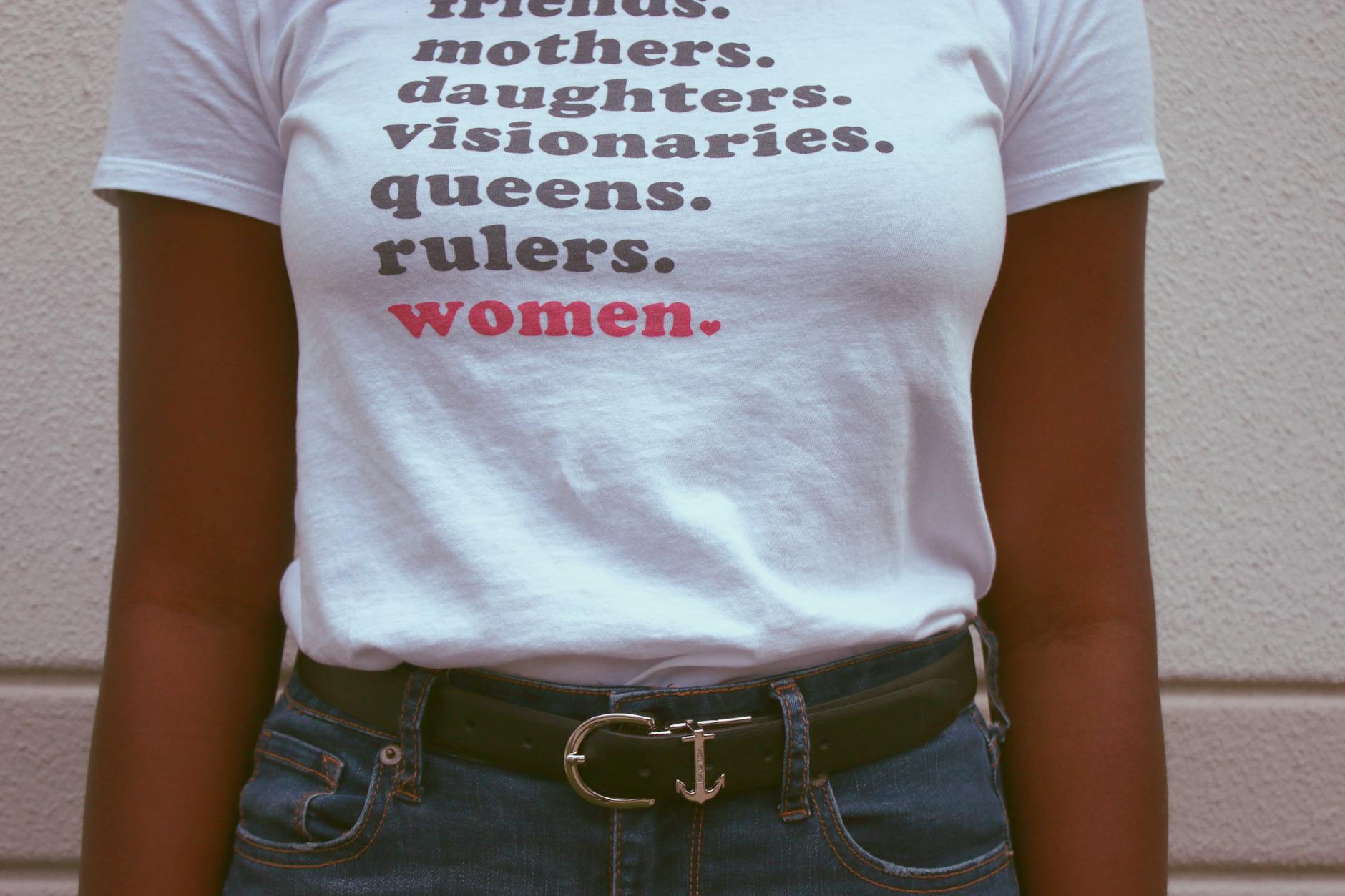
Whether you’re outfitting a corporate team, kitting out students for a school sports carnival, or creating merchandise for an upcoming event, custom tee shirts remain one of the most versatile and cost-effective branded products available. They’re wearable, highly visible, and genuinely useful — which is exactly why they’ve held their place as the number one promotional product ordered by Australian organisations year after year. But navigating the world of custom tees for the first time (or even the tenth time) can feel overwhelming. There are fabric options to consider, decoration methods to evaluate, minimum order quantities to plan around, and artwork requirements to meet. This guide is designed to walk you through every important decision, so you can order with confidence and get results that make your brand look outstanding.
Why Custom Tee Shirts Work So Well for Australian Organisations
There’s a reason custom tee shirts are the go-to choice across industries and sectors. For a Sydney corporate team attending a trade show, matching tees create instant brand presence on the floor. For a Brisbane primary school running a sports day, bright, personalised t-shirts help with team identification and create a memorable shared experience. For a Perth charity hosting a fun run, custom tees become both a practical uniform and a lasting keepsake that extends brand reach long after the event is over.
The appeal comes down to a few key factors: t-shirts are genuinely comfortable to wear, they’re easy to produce in bulk, and they offer a large print area that lets your branding shine. Unlike many promotional products that end up in a drawer, a quality custom tee gets worn repeatedly — at the gym, on weekends, around the house — giving your logo ongoing exposure with zero additional spend.
Custom tees are also accessible across virtually every budget. Whether you’re a small not-for-profit in Hobart working with a tight allocation or a large Melbourne corporation ordering thousands of units for a national rollout, there’s a custom tee solution that fits your needs. If you’re still exploring your options before committing to a larger order, it’s worth checking out information on promotional products with no minimum order requirements to understand your flexibility when ordering smaller quantities.
Choosing the Right Fabric for Your Custom Tees Shirts
Fabric choice has a massive impact on how your finished product looks, feels, and wears over time. This is one area where many first-time buyers make costly mistakes by defaulting to the cheapest option without understanding the trade-offs.
100% Cotton
Cotton is the classic choice for a reason. It’s breathable, soft against the skin, and accepts print decoration beautifully. It’s a popular option for schools, charities, and events where comfort and print quality are priorities. The trade-off is that 100% cotton can shrink slightly in the wash and may not wick moisture as effectively as synthetic blends — something worth keeping in mind for activewear applications.
Polyester and Performance Fabrics
For sporting clubs, gym events, and outdoor festivals, polyester or poly-blend fabrics are often the better choice. These materials are lightweight, moisture-wicking, and highly durable. They’re also excellent for sublimation printing, which produces vibrant, all-over designs that won’t crack or fade. A Gold Coast sporting association ordering custom jerseys for their junior league, for example, would be well served by a performance polyester tee rather than a standard cotton option.
Cotton/Polyester Blends
Blends (typically 65% polyester / 35% cotton, or 50/50) aim to give you the best of both worlds: the softness and print-friendliness of cotton with the durability and shape retention of polyester. They’re a popular middle-ground choice for corporate orders where the tees will be worn regularly.
Organic and Recycled Options
With sustainability becoming an increasingly important purchasing consideration for Australian businesses and councils, organic cotton and recycled polyester tees have grown significantly in demand. These options typically carry a small price premium but align strongly with ESG commitments and corporate responsibility goals. A Melbourne council, for example, sourcing merchandise for a community sustainability event would find these options well-aligned with their brand values.
Decoration Methods for Custom Tee Shirts
How your logo or artwork is applied to the garment matters just as much as the garment itself. Different decoration methods suit different applications, budgets, and design styles.
Screen Printing
Screen printing is the industry workhorse for custom tee shirts. It produces sharp, vibrant results and is highly cost-effective at volume — typically orders of 24 or more units. Each colour in your design requires a separate screen (and usually a separate setup fee), so designs with fewer colours tend to be more economical. Screen printing works best on flat, smooth fabric surfaces and is ideal for bold logos, text-based designs, and spot-colour artwork.
Heat Transfer and DTG (Direct to Garment)
Direct-to-garment (DTG) printing works similarly to an inkjet printer, applying ink directly to the fabric. It’s excellent for full-colour photographic designs and is often used for smaller order quantities where screen printing setup costs would be prohibitive. Heat transfer vinyl (HTV) is another option for smaller runs or designs requiring individual personalisation, such as adding staff names to a set of event shirts.
Sublimation Printing
Sublimation is the go-to method for all-over, edge-to-edge designs and is exclusively suited to white or light-coloured polyester garments. The dye bonds permanently with the fabric, producing incredibly vivid, long-lasting prints. It’s widely used for sporting jerseys, festival merchandise, and promotional tees where visual impact is paramount.
Embroidery
While less common on t-shirts than on polos or caps, embroidery can add a premium, textured finish to chest logos or sleeve branding. It works best with simple designs that don’t require fine detail. For a more in-depth look at how these two approaches compare, our guide to screen printing vs embroidery for branded apparel covers the key differences and when each method is the right choice.
Planning Your Custom Tee Shirt Order: Practical Considerations
Minimum Order Quantities
Most Australian decorators and promotional product suppliers operate with minimum order quantities (MOQs) for custom tee shirts. Standard screen printing MOQs typically sit at 24–50 units, though DTG printing and heat transfer options may allow smaller runs. If you only need a handful of pieces, explore suppliers who offer no-minimum order options for promotional products as a starting point, though be aware that per-unit pricing will be higher than bulk rates.
Turnaround Times
Standard production turnaround for custom tees is typically 10–15 business days from artwork approval. If you’re ordering for a specific event — an Adelaide conference, a Darwin school sports day, a Canberra government expo — build in buffer time to account for artwork revisions, sample approvals, and shipping. Rush production is often available but usually comes with an additional fee, and not all decoration methods can be expedited equally.
Artwork Requirements
Most suppliers will require vector artwork (AI or EPS files) for screen printing, or high-resolution raster files (300 DPI minimum) for DTG and heat transfer. If your logo exists only as a low-resolution JPEG, request a vector version from your graphic designer before placing your order. Getting your artwork right upfront avoids delays and ensures your branding reproduces accurately — particularly important if your brand uses specific PMS (Pantone Matching System) colours.
Sizing and Fit
Always order a size run that reflects the actual demographics of your recipients. If you’re ordering custom tees for a corporate team, gathering individual sizes in advance avoids waste. Most suppliers offer unisex sizing, women’s cut options, and children’s sizing, so communicate your requirements clearly when requesting a quote.
Budgeting
For basic cotton tees with a single-colour print, expect to pay anywhere from $8–$18 per unit depending on order size, fabric quality, and decoration complexity. Premium blanks, additional print colours, and rush production will push costs higher. Larger orders bring per-unit costs down significantly through bulk pricing tiers, so consolidating orders where possible is a smart strategy.
Custom Tees Shirts for Schools, Corporates, and Events
Different sectors have different priorities when ordering custom tee shirts. Schools often prioritise durability, bright colours, and child-safe inks. Corporate clients tend to focus on fabric quality, professional finish, and subtle branding. Events teams prioritise fast turnaround, visual impact, and cost efficiency at scale.
Think about how the tees will actually be used. Will staff wear them as a daily uniform? Will they be handed out as event merchandise or packed into welcome bags alongside items like branded reusable straws and other keepsakes? The use case shapes every decision from fabric choice to decoration method to sizing strategy.
For corporate events, consider pairing custom tees with complementary branded apparel such as caps or tote bags for a cohesive merchandise suite. For schools, moisture-wicking performance fabrics in team colours with clear printed numbers work beautifully for sports carnivals and athletics events.
Key Takeaways
Before you place your next custom tee shirt order, keep these essentials in mind:
- Fabric choice matters: Match the fabric to the end use — cotton for casual wear and print quality, polyester for sports and sublimation, blends for everyday corporate wear.
- Decoration method drives cost and quality: Screen printing offers excellent value at volume; DTG suits smaller runs and complex designs; sublimation is unbeatable for all-over printing on performance fabrics.
- Plan your timeline carefully: Allow at least 15 business days from artwork approval to delivery, and always build in extra time ahead of key events.
- Get your artwork right first: Vector files and PMS colour references prevent delays and ensure your branding looks exactly as intended on the finished garment.
- Order quantity affects price significantly: Larger orders bring per-unit costs down considerably, so consolidate where possible, and explore no-minimum options only for genuinely small requirements.
Custom tee shirts are one of the most powerful and practical tools in any organisation’s branding toolkit. With the right product, decoration method, and supplier process in place, they deliver outstanding brand visibility and genuine value — whether you’re ordering fifty tees for a small team in Hobart or five thousand for a national campaign launch.