
Desk Calendars as Promotional Products: The Complete Australian Ordering Guide
Discover how branded desk calendars keep your business top-of-mind all year. Tips on design, ordering, and maximising ROI for Australian organisations.

Written by
Lily Adams
Stationery & Office
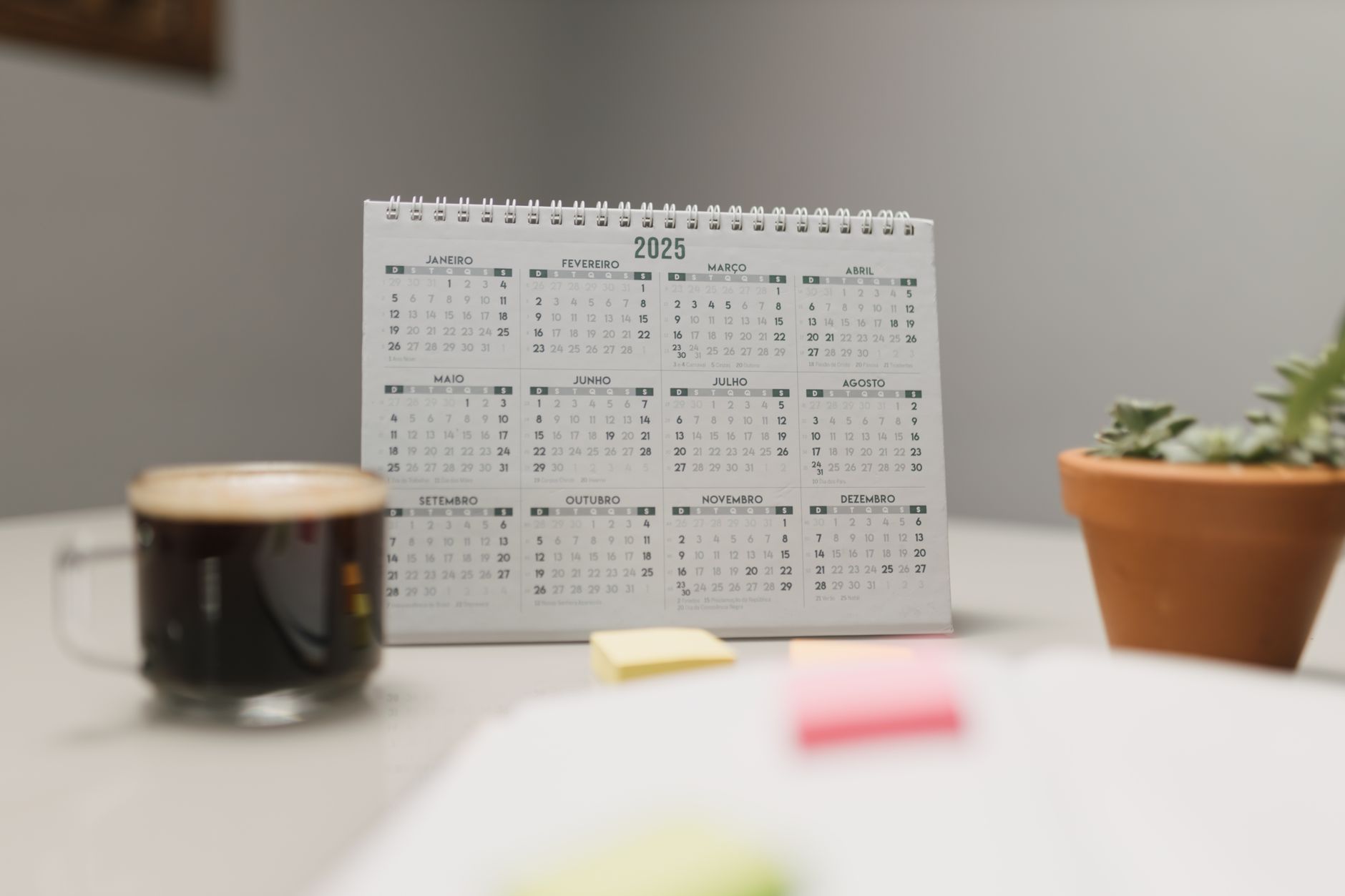
There are very few promotional products that earn 365 days of daily visibility — and a branded desk calendar is one of them. While many giveaways end up in a drawer or forgotten in a conference bag, a well-designed desk calendar sits front and centre on a recipient’s workspace, delivering a brand impression every single day of the year. For Australian businesses, schools, and organisations looking to maximise their promotional budget, custom desk calendars represent one of the highest-value, most practical investments available. Whether you’re a Sydney accounting firm, a Darwin government department, or a Melbourne private school planning ahead for the new year, this guide covers everything you need to know about ordering, designing, and distributing branded desk calendars in Australia.
Why Desk Calendars Remain One of the Most Effective Promotional Products
In an era of digital everything, it might seem counterintuitive to invest in a printed product. But desk calendars continue to outperform many tech-based giveaways precisely because they solve a universal problem: people need to keep track of time, deadlines, meetings, and important dates. A physical calendar on a desk is functional, reliable, and doesn’t require a Wi-Fi connection or a charged battery.
From a branding perspective, the numbers are compelling. According to research into promotional product spending per employee benchmarks in Australia, physical stationery items consistently rank among the highest for daily use and brand recall. A single desk calendar delivers thousands of brand impressions over its twelve-month lifespan — an extraordinary return on what is typically a modest per-unit investment.
There’s also the psychology of placement. A calendar doesn’t just sit on a desk; it becomes part of a person’s daily workflow. Every time someone checks a date, circles a deadline, or jots down a reminder, they interact with your brand. That kind of repeated, organic touchpoint is genuinely difficult to replicate through digital advertising.
Who Benefits Most from Branded Desk Calendars?
Almost any organisation can benefit from custom desk calendars, but some sectors find them particularly valuable:
- Professional services firms — accountants, solicitors, financial advisers, and real estate agencies who want a practical gift that clients use year-round
- Schools and educational institutions — for staff planning, parent communications, or as a fundraiser product
- Government departments and councils — across Perth, Adelaide, Brisbane, and Canberra, councils frequently use branded calendars to communicate key civic dates, waste collection schedules, and local events
- Healthcare organisations — clinics and hospitals appreciate calendars that include health awareness dates, appointment reminders, or wellness tips
- Corporate event organisers — conferences and AGMs where attendees need practical takeaways (see our guide on promotional giveaways for annual general meetings in Australia)
Understanding Desk Calendar Formats and Options
Not all desk calendars are created equal. When you’re briefing a supplier, it helps to understand the main format options available so you can select the one that best suits your audience and budget.
Flip Desk Calendars
Also known as “day-to-a-page” or “month-to-a-page” desk calendars, flip calendars feature a wire-o or spiral binding at the top or side, with pages that fold back as the month or day changes. They typically sit in a cardboard or acrylic base. These are popular with corporate clients and offer generous space for branding on every page — great for including seasonal messaging, tips, or imagery alongside your logo.
Block or Cube Desk Calendars
Compact and modern, block calendars are a single solid object — often a thick pad of daily tear-off sheets — that sits neatly on any desk. They tend to be more affordable and suit smaller branding applications, typically a logo and contact details on the base or first sheet.
Desk Pad Calendars
Larger in format, desk pad calendars (sometimes called desk blotter calendars) lay flat across the desk surface and show a full month at a glance. They offer substantial real estate for branding, imagery, and custom content. An Adelaide property management company, for instance, might include suburb statistics or local landmark photography throughout the year. These are particularly effective when you want the calendar to double as a working surface.
Tri-Fold or Tent Desk Calendars
These folded cardboard or laminated calendars are self-supporting and display three months at a time. They’re lightweight, cost-effective, and easy to post — making them a strong option for businesses conducting direct mail campaigns or sending branded gifts to remote clients across regional Australia.
Design Considerations for a Standout Branded Desk Calendar
The quality of your design will largely determine whether your calendar ends up proudly displayed or quietly recycled. Here’s what to keep in mind.
Balancing Branding with Usability
The calendar’s primary job is to help users manage their time. Avoid overcrowding pages with too much marketing copy. Instead, aim for a clean layout where your logo, brand colours, and contact details are consistently present but never overwhelming. A well-placed logo at the top or bottom of each page, combined with a quality image or branded pattern, is usually far more effective than wall-to-wall text.
Custom Content Adds Genuine Value
One of the biggest advantages of a custom desk calendar is the ability to include tailored content throughout the year. Consider adding:
- Industry-relevant dates — tax lodgement deadlines for an accounting firm, school term dates for a tutoring centre, public holidays for a hospitality business
- Seasonal tips or advice — a Melbourne HVAC company could include monthly maintenance reminders
- QR codes — linking each month to a relevant blog post, offer, or service page
For more ideas on matching promotional products to specific goals, take a look at our post on how to match promotional products to your marketing objectives.
Artwork and Print Specifications
Desk calendars are typically printed using offset or digital printing. Suppliers will require print-ready artwork in CMYK format at a minimum of 300 DPI. If your branding includes specific Pantone colours, be sure to discuss PMS matching with your supplier — especially if the calendar will accompany other branded materials like promotional keyrings or branded notebooks.
Turnaround times for custom desk calendars generally range from 10 to 25 business days depending on complexity, print method, and finishing. If you’re ordering for Christmas distribution, aim to submit your order and approved artwork by late October at the latest — production windows fill quickly across Sydney, Melbourne, and Brisbane in November.
Ordering Desk Calendars in Australia: What to Expect
Minimum Order Quantities
Most Australian suppliers work with MOQs of around 100 to 250 units for custom desk calendars, though some offer lower quantities for simpler formats. If you’re a smaller organisation that needs fewer units, explore options around promotional products with no minimum order — some print-on-demand suppliers can accommodate smaller runs, though per-unit costs will be higher.
Budgeting Realistically
As a general guide, custom desk calendars in Australia typically range from around $5 to $20 per unit depending on the format, number of pages, finishing, and quantity ordered. Desk pad formats tend to sit at the lower end of the price range, while fully customised flip calendars with premium finishes or hard covers may sit higher.
When comparing quotes, make sure you’re accounting for setup fees (usually $50–$150 per colour or print area) and GST. Also check whether the quote includes delivery — freight costs for heavier quantities can add meaningfully to your total.
Working with Northern Territory Suppliers
If your organisation is based in Darwin or regional NT, it’s worth sourcing from a local supplier where possible. Our overview of promotional product suppliers in the NT explains the advantages of local sourcing, particularly for managing freight costs and lead times to remote locations.
Pairing Desk Calendars with Complementary Products
A desk calendar works well as a standalone gift, but it becomes even more impactful when bundled with complementary products as part of a branded stationery pack. Popular pairing options include:
- Branded pens — a classic companion to any calendar
- Custom notebooks — for clients who prefer writing over typing
- Branded USB flash drives — practical for office-based recipients (our guide to promotional USB flash drives has more detail on decoration options and specifications)
- Fridge magnets — if you want a secondary reminder in the kitchen or staff room (explore our fridge magnet guide for format and printing options)
If you’re assembling a complete welcome kit or end-of-year gift, consider complementing your desk calendar with a reusable corporate gift such as a quality keep cup or branded drink bottle. For ideas on how to put together a branded gift set that resonates, our personalised drink bottles guide is a useful starting point.
Seasonal Distribution Strategies
The end of the calendar year is the obvious time to distribute desk calendars, but don’t overlook other opportunities:
- New financial year (July) — ideal for accounting and professional services clients who think in financial-year terms
- Back to school (January/February) — particularly relevant for schools, tutoring centres, and educational suppliers across Queensland and New South Wales
- Annual events and conferences — a calendar in every delegate bag ensures your brand stays relevant long after the event ends
- Father’s Day — for family-owned businesses or retail brands, a quality branded calendar makes a thoughtful gift (see our post on Father’s Day custom products in Australia)
Eco-Friendly Desk Calendar Options
Sustainability is an increasingly important consideration for Australian organisations when selecting promotional products. Fortunately, eco-friendly desk calendar options are now widely available, including:
- FSC-certified paper — sourced from responsibly managed forests
- Recycled card stock — for covers and bases
- Soy-based inks — lower environmental impact compared to petroleum-based alternatives
- Plantable seed paper — some suppliers offer tear-off pages printed on seed paper that can be planted at the end of each month
If your organisation has a sustainability charter or ESG commitments, choosing eco-certified options and communicating this on the calendar itself adds another layer of brand value. For broader inspiration on sustainable branded merchandise, our guide to reusable corporate gifts in Australia covers a wide range of eco-conscious options.
Conclusion: Making Your Desk Calendar Work Harder for Your Brand
A custom desk calendar is one of the most cost-effective, long-lasting promotional products available to Australian businesses and organisations. When designed thoughtfully and distributed strategically, a single branded calendar can deliver daily brand exposure for an entire year — a return that few other promotional products can match.
Here are the key takeaways to guide your next desk calendar order:
- Choose the right format for your audience — flip calendars suit corporate clients, desk pads work well for high-usage office environments, and tri-fold versions are ideal for postal campaigns
- Design for usability first — functional, clean layouts with consistent branding outperform cluttered, over-marketed designs every time
- Plan your order early — aim for artwork approval at least 8–10 weeks before your intended distribution date, especially for end-of-year gifting
- Budget beyond the unit price — account for setup fees, GST, and freight when comparing supplier quotes
- Consider bundling — pairing your desk calendar with complementary stationery or branded gifts elevates the overall impression and perceived value
- Explore eco-friendly options — sustainable paper and printing choices align with the values of an increasing number of Australian organisations and their stakeholders