
Why Branded Polo Shirts Outperform Polo Ralph Lauren for Corporate Merchandise
Discover why custom branded polo shirts beat Polo Ralph Lauren for corporate merch. Expert tips on decoration, MOQs & budgeting for Australian organisations.

Written by
Max Sharma
Custom Apparel
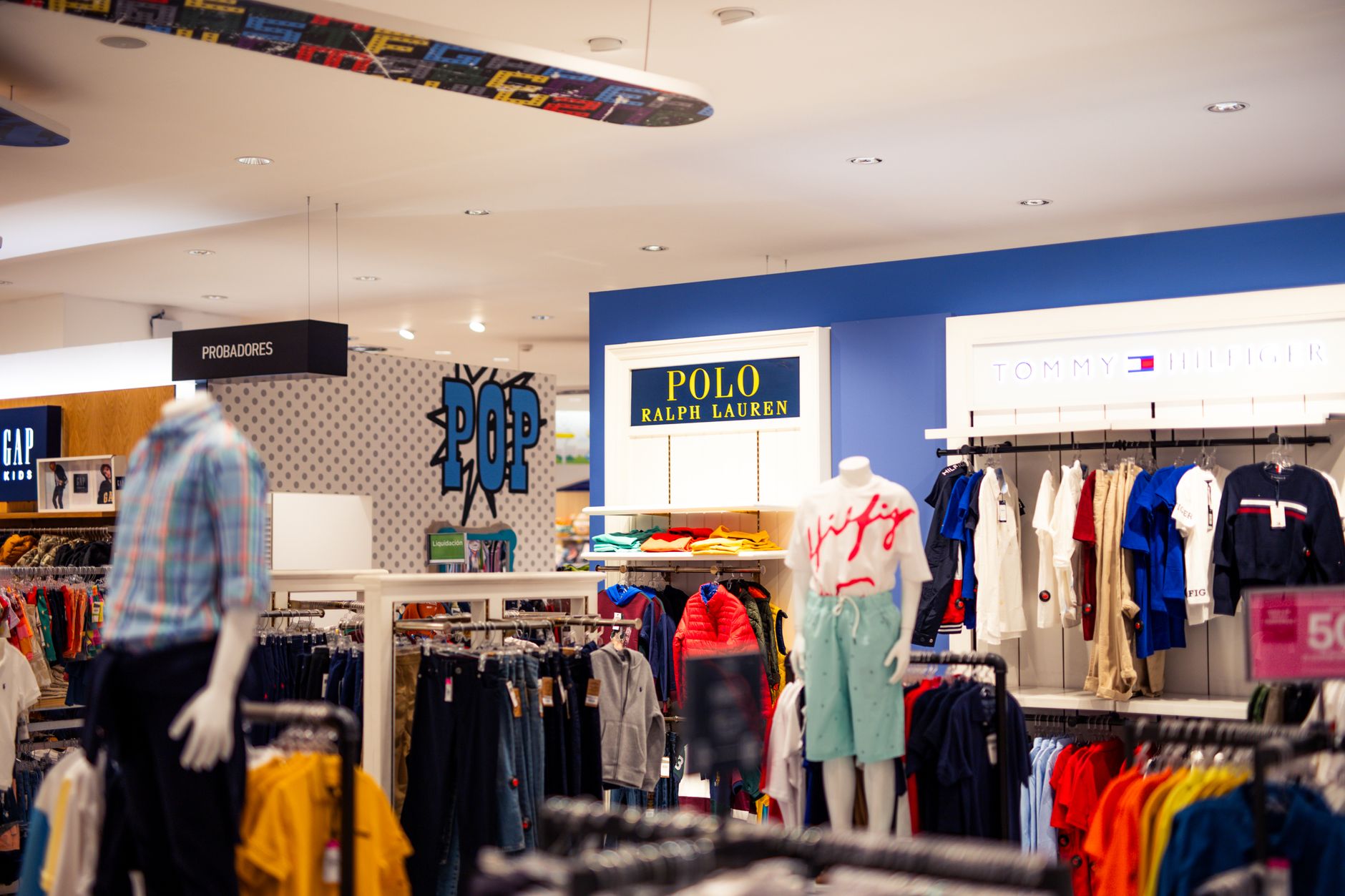
When someone searches for “polo polo ralph lauren,” they’re usually drawn to one thing: quality. The iconic Polo Ralph Lauren brand has built its reputation on well-constructed, stylish polo shirts that feel premium and look polished. But here’s the thing — when you’re outfitting a corporate team, a school sports day, or a conference full of attendees, the rules of the game change entirely. Branded custom polo shirts from quality promotional suppliers can match that premium look and feel, while giving your organisation something Ralph Lauren never will: your own logo, your own colours, and a cohesive identity that makes every wearer a walking ambassador for your brand. This guide explores what Australian businesses, schools, and event organisers need to know about choosing, decorating, and ordering custom polo shirts that genuinely impress.
What Makes a Polo Shirt the Gold Standard for Branded Apparel
There’s a reason the polo shirt has endured as a wardrobe staple for decades. It occupies that perfect middle ground between smart and casual — professional enough for a corporate environment, comfortable enough for an outdoor event. When Polo Ralph Lauren built its empire on this garment, it wasn’t just clever marketing. The polo shirt genuinely delivers versatility that few other garments can match.
For organisations ordering branded apparel, this versatility is invaluable. A Brisbane financial services firm can kit out its client-facing team in navy embroidered polos that look sharp in the boardroom and equally appropriate at a weekend golf day. A Perth government council can outfit its community liaison officers in polos that feel approachable rather than intimidating. A Gold Coast resort can dress its hospitality staff in custom polos that feel premium without carrying a premium price tag per unit.
The polo shirt also works beautifully across a wide range of decoration methods. Unlike a t-shirt, which often looks best with bold screen-printed graphics, the polo shirt’s structured collar and knit fabric lend themselves especially well to embroidery — the decoration method of choice when you want to evoke quality and longevity. If you’re exploring which method suits your project best, our guide to embroidery vs screen printing for custom workwear breaks down the key differences in detail.
Fabric and Construction: The Details That Actually Matter
What made Polo Ralph Lauren famous wasn’t just the logo — it was the fabric. Piqué cotton (that distinctive waffle-knit texture) became synonymous with polo shirts for good reason: it’s breathable, holds its shape, and resists pilling. When you’re sourcing branded polo shirts for your organisation, fabric specification is the single most important variable to understand before you place an order.
Here’s what to look for:
- 100% cotton piqué — the classic choice, soft and breathable, ideal for indoor corporate environments and cooler climates like Melbourne and Hobart
- Poly-cotton blends (65/35 or 50/50) — more durable, quicker-drying, and often better suited to outdoor or physical work environments like trades and hospitality
- 100% polyester performance fabric — the go-to for sports teams and active outdoor settings, especially relevant for Brisbane and Darwin organisations where heat and humidity are factors
- Recycled polyester options — increasingly available through responsible suppliers, perfect for organisations prioritising sustainability
Weight also matters. A 200gsm fabric will feel noticeably more substantial than a 160gsm polo. If your organisation wants that premium, Polo Ralph Lauren-style quality feel, opt for heavier fabrics with reinforced collars and cuffs — they stay neat through a full working day and hold their shape wash after wash.
Custom Polo Shirts vs Polo Ralph Lauren: A Practical Comparison for Organisations
Let’s address the question directly. Polo Ralph Lauren makes excellent polo shirts. But for branded merchandise purposes, there are several important reasons why custom-sourced polo shirts from a reputable promotional supplier are almost always the smarter choice for Australian organisations.
Cost and Scalability
A single Polo Ralph Lauren polo shirt retails for roughly $120–$180 in Australia. Multiply that across 50 staff members and you’re looking at $6,000–$9,000 — before you’ve even added your logo. By contrast, quality custom polo shirts from a reputable supplier typically range from $18–$45 per unit depending on fabric quality, order quantity, and decoration method. For a team of 50, that’s $900–$2,250 all-in, including branding.
Bulk pricing tiers make this even more compelling. Many suppliers offer significant price breaks at quantities like 24, 50, 100, and 250 units. A Melbourne retail business ordering 100 custom polos for its store team could be looking at $20–$28 per unit — a fraction of the Ralph Lauren equivalent.
Branding and Customisation
This is where branded custom polo shirts win outright. With a custom order, you control every element: the base colour (matched precisely to your PMS brand colours), the placement and size of your embroidered or printed logo, and any secondary branding like a staff member’s name or department. Polo Ralph Lauren gives you their logo; a custom promotional supplier gives you yours.
For schools in particular, this matters enormously. A Sydney secondary school ordering custom polos for its sports carnival or school leadership team can incorporate the school crest, house colours, and year group details — something no off-the-shelf brand can accommodate. Our overview of custom school uniform options for Australian schools covers this in more depth.
Turnaround and Logistics
Ordering branded polo shirts for a specific event or campaign requires reliable turnaround times. Most reputable Australian suppliers can deliver standard embroidered polo orders within 10–15 business days, with rush options available at additional cost for time-sensitive projects. Ordering Polo Ralph Lauren shirts in bulk through retail channels, then arranging separate decoration through a third party, adds complexity, cost, and time that most organisations simply don’t need.
Choosing the Right Decoration Method for Your Custom Polo Shirts
The decoration method you choose will significantly affect how your polo shirts look, feel, and hold up over time. For polo shirts specifically, two methods dominate: embroidery and heat transfer, with sublimation increasingly popular for performance styles.
Embroidery: The Premium Choice
Embroidery is the default choice for corporate polo shirts — and for good reason. It creates a textured, three-dimensional logo that feels genuinely premium, holds up through repeated washing without fading, and sits naturally on the knit fabric of a polo shirt. Left-chest embroidery is the most common placement, typically 8–10cm wide, and works beautifully for logos that aren’t overly complex.
One important consideration: embroidery works best with designs that don’t have fine detail or gradients. If your logo includes intricate artwork or subtle colour transitions, your decorator will need to recreate it as an embroidery-appropriate file. Most professional suppliers will advise you on this during the artwork review stage. For more on preparing your files correctly, our artwork requirements guide for promotional products is essential reading before you submit your order.
Heat Transfer and DTG Printing
For logos with more complex colour work or fine detail, heat transfer or direct-to-garment (DTG) printing can be a better fit. Heat transfers can reproduce photographic-quality images and gradients that embroidery can’t achieve. However, they’re generally considered less durable than embroidery for garments that will be washed frequently. This makes them better suited to event polos or giveaway items than long-term staff uniforms.
Sublimation for Performance Polos
If you’re ordering polyester performance polo shirts — popular with sporting clubs, outdoor event staff, or active hospitality teams — all-over sublimation printing opens up exciting creative possibilities. Sublimation permanently dyes the fabric rather than sitting on top of it, meaning the colour and design won’t crack, peel, or fade. It’s ideal for producing bold, full-coverage designs that simply aren’t achievable with embroidery. Our complete guide to sublimation printing for custom apparel explains the process and its limitations in detail.
Practical Ordering Tips for Australian Organisations
Getting a custom polo shirt order right requires attention to a few key details that can make or break the outcome.
Start with a sample. Before committing to a full order, request a pre-production sample or a blank sample of the garment style you’re considering. This lets you assess fabric weight, collar construction, and overall quality before your brand goes on it. Most suppliers accommodate sample requests for a small fee that’s credited against your full order.
Plan your sizing carefully. Polo shirts need to be ordered in a range of sizes, and getting the size split wrong is a common (and costly) mistake. Survey your team before ordering, and always order a small buffer of the most common sizes (usually M, L, and XL for mixed adult teams). Our sizing guide for bulk custom apparel orders walks through how to approach this systematically.
Understand your MOQ. Minimum order quantities for custom polo shirts typically start at 12–24 units for embroidered styles, though some suppliers can accommodate smaller runs using digital or heat transfer decoration. If you only need a handful of polos — say, five for a small Adelaide trades business — clarify this upfront, as some decoration methods aren’t cost-effective below certain quantities.
Budget for setup fees. Most decoration methods involve a one-time setup or digitising fee, typically $30–$80 for embroidery digitising. This fee covers converting your logo into the stitch file the embroidery machine uses, and it’s usually a once-only cost — your file is stored for future reorders.
Allow enough lead time. For standard orders, allow 10–15 business days from artwork approval to delivery. If you’re based in a regional area — say, ordering to Cairns or Darwin — factor in additional freight time. Rush orders are possible but will attract a premium, and quality can sometimes be compromised when timelines are very tight.
For organisations planning a larger branded apparel rollout, our step-by-step guide to managing a corporate uniform order is worth bookmarking.
Conclusion
Custom branded polo shirts offer Australian organisations something that even the most prestigious retail brands cannot: a garment that carries your identity, your colours, and your message. While Polo Ralph Lauren’s reputation for quality is well-earned, the practical realities of outfitting a team, running an event, or managing a school uniform program make custom promotional polo shirts the clear choice for businesses, schools, and organisations across Australia.
Key takeaways:
- Quality branded polo shirts can match the look and feel of premium retail brands at a fraction of the per-unit cost, especially at scale
- Fabric specification — weight, composition, and collar construction — is the most important quality factor to evaluate before ordering
- Embroidery is the gold-standard decoration method for corporate polo shirts, offering durability and a premium finish
- Always request samples, plan your sizing carefully, and allow adequate lead time (10–15 business days minimum) for standard orders
- Custom polos give your organisation something no retail brand ever can: a garment that’s entirely and exclusively yours