
How to Choose the Right Promotional Item Companies for Your Organisation
Discover how to find and evaluate promotional item companies in Australia to get quality branded merch that delivers real results.

Written by
Ollie Brown
Corporate Gifts
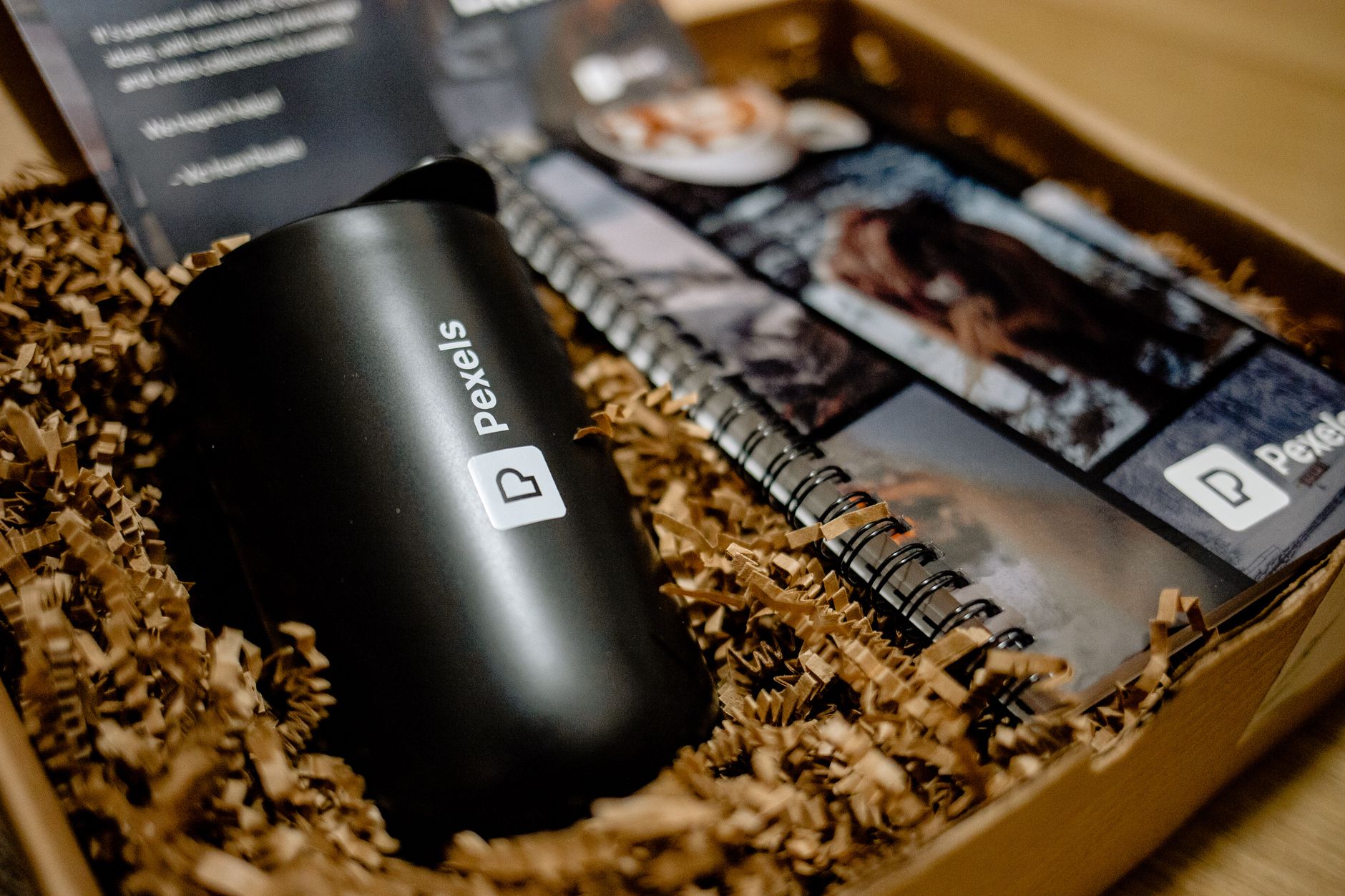
Choosing the right promotional item companies can make or break your branded merchandise campaign. Whether you’re a Sydney-based corporate team preparing for a major conference, a Melbourne primary school planning its annual sports carnival, or a Brisbane council department rolling out a community awareness initiative, the supplier you partner with will directly influence the quality of your products, the accuracy of your branding, and ultimately, how your organisation is perceived. With so many options in the Australian market, knowing what to look for — and what to avoid — is genuinely valuable knowledge. This guide breaks it all down so you can make a confident, well-informed decision.
What Do Promotional Item Companies Actually Offer?
Before diving into the selection process, it’s worth understanding what a full-service promotional products supplier actually provides. The best companies don’t just print logos on mugs — they offer end-to-end support across product sourcing, artwork preparation, decoration, quality control, and delivery.
A typical promotional items company will carry thousands of product lines across categories including:
- Custom apparel — t-shirts, polos, hoodies, hi-vis workwear, and caps
- Drinkware — branded keep cups, stainless steel water bottles, and ceramic mugs
- Bags and totes — calico tote bags, cooler bags, backpacks, and laptop bags
- Tech accessories — power banks, USB drives, wireless chargers, and phone wallets
- Stationery — branded pens, notebooks, lanyards, and sticky note sets
- Eco-friendly products — bamboo, recycled, and reusable alternatives across all categories
Beyond sourcing, reputable suppliers will also advise on the most appropriate decoration method for your chosen product — whether that’s screen printing, embroidery, or another technique — and guide you through the artwork process to ensure your brand is represented faithfully.
Key Factors to Evaluate When Comparing Promotional Item Companies
Not all suppliers are created equal. Here’s what to assess when shortlisting your options.
1. Product Range and Sourcing Capabilities
A supplier with a genuinely broad product range gives you flexibility. If you’re sourcing promotional products for a corporate conference in Adelaide, you might need branded tote bags, custom pens, and tech accessories all at once. Working with a single supplier who can manage all of these saves enormous time and often reduces costs.
Ask potential suppliers about their sourcing network. Can they access overseas manufacturers for large orders? Do they hold local stock for faster turnaround? Suppliers who can offer both give you the best of both worlds — speed when you need it, and cost-efficiency for longer lead times.
2. Decoration Methods and Print Quality
The quality of decoration is arguably the most important factor. Your logo needs to look sharp and consistent across every item in an order. When evaluating promotional item companies, ask about their in-house decoration capabilities versus outsourced production, and request samples wherever possible.
Common decoration methods and when they work best:
- Embroidery — ideal for caps, polos, and workwear; gives a premium, textured finish
- Screen printing — cost-effective for large runs of t-shirts and bags with simple artwork
- Pad printing — widely used for pens, USB drives, and small hard goods
- Laser engraving — elegant and durable for metal drinkware, keyrings, and awards
- Sublimation — perfect for full-colour, edge-to-edge prints on apparel and mugs
- Debossing — a tactile premium option for leather notebooks and corporate journals
Understanding these methods helps you have informed conversations with suppliers. Our guide to customising merchandise for your brand covers this in more detail if you’re just getting started.
3. Minimum Order Quantities (MOQs)
Minimum order quantities vary significantly between suppliers and product types. For a small not-for-profit in Hobart ordering branded tote bags for a fundraising market, ordering 500 units may simply not be viable. Understanding a supplier’s MOQ flexibility is critical, particularly for smaller organisations.
Typical MOQs in the Australian market look something like this:
- Printed pens: often 100–250 units
- Custom t-shirts: typically 12–50 units depending on decoration method
- Branded drinkware: usually 25–100 units
- Embroidered caps: often 12–24 units
- Laser-engraved items: sometimes as low as 1–5 units for premium gifts
A good supplier will be transparent about their MOQs upfront and help you find suitable products within your quantity requirements.
4. Turnaround Times and Rush Order Capability
Deadlines are real. If you’re running a Perth trade show in three weeks and need 300 branded water bottles, you need a supplier that can actually deliver. Always ask about standard production lead times and whether express or rush services are available — and at what cost.
Typical production lead times in Australia range from 5 to 15 business days, plus freight. For international manufacturing, allow 4 to 8 weeks. Local stock items with pad printing or laser engraving can sometimes ship in 3 to 5 business days, making them a smart choice for last-minute campaigns.
5. Artwork Support and Proofing Process
Artwork requirements are a common pain point. Most decoration methods require vector files (typically .AI or .EPS formats), and not every marketing team has these readily available. Look for promotional item companies that offer in-house artwork assistance or at least clear guidance on file preparation.
The proofing process matters just as much. A reputable supplier will provide a digital proof — and ideally a physical sample for large orders — before going to production. Never skip the proof approval stage, no matter how tight your deadline.
6. Ethical Sourcing and Sustainability Credentials
Australian organisations, particularly councils, universities, and larger corporates, are increasingly asking hard questions about where their products come from. Suppliers with ethical sourcing policies, BSCI or Sedex audit certificates, and eco-friendly product ranges are better positioned to align with modern procurement requirements.
If sustainability is a priority for your organisation, look for suppliers who can offer certified recycled or organic materials, carbon-neutral shipping options, and products that genuinely reduce single-use plastic — not just greenwashed alternatives. This is especially relevant for government departments in Canberra or sustainability-focused businesses in Melbourne, where procurement guidelines often mandate environmental considerations.
How Promotional Item Companies Support Different Organisations
One of the most practical ways to evaluate a supplier is to consider how well they understand your specific sector.
Corporate Businesses
For corporate clients, the focus is typically on premium quality, brand consistency, and professional presentation. Corporate merchandise like executive notebooks, quality branded pens, and premium drinkware needs to reflect the calibre of the business. Suppliers who understand corporate promotional materials and have experience with multi-location rollouts or national campaigns are especially valuable. Look for suppliers offering dedicated account management and the ability to handle complex, multi-product orders efficiently.
Schools and Educational Institutions
A Gold Coast primary school ordering custom sports day t-shirts has very different needs to a university in Sydney sourcing conference lanyards and satchels. Schools often work with tight budgets and need suppliers who can offer competitive pricing at relatively modest quantities. Garment sizing (including children’s sizes), print durability through repeated washes, and compliance with school branding guidelines are all important considerations.
Universities and TAFEs tend to require more sophisticated branded merchandise programs — think extensive product catalogues, online merchandise stores, and long-term supplier relationships. Working with a supplier who has experience in the education sector makes these programs far smoother to manage.
Events and Conferences
Event merchandise lives and dies by reliability. A corporate event in Melbourne’s CBD cannot afford late deliveries or misprinted lanyards. For events, choose promotional item companies with a proven track record in the events space, solid references, and a streamlined rush production process. They should also understand the logistics of delivering large quantities of fragile or garment items to venues without damage.
Red Flags to Watch Out For
Even the most professional-looking website can hide a supplier that will let you down. Watch for:
- No physical samples available — if a supplier won’t send samples, that’s a concern
- Vague pricing with hidden fees — always ask for an all-inclusive quote covering setup fees, artwork, GST, and freight
- No artwork proof included in the process — any reputable supplier will provide a proof before printing
- Extremely low prices with no explanation — suspiciously cheap products often indicate poor quality or unethical manufacturing
- No clear point of contact — responsive, knowledgeable staff are a sign of a well-run operation
Working with genuine promotional product experts means you’ll have support throughout the entire process, not just at the point of sale.
Building a Long-Term Relationship With Your Supplier
The best outcomes in the promotional products space come from long-term supplier relationships, not one-off transactions. When you work with the same company across multiple campaigns, they build an understanding of your brand — your colours, your logo files, your preferred products, and your timeline expectations. This saves time, reduces errors, and often unlocks better pricing.
Consider establishing a preferred supplier agreement if your organisation orders branded merchandise regularly. Many companies across Darwin, Brisbane, and regional Australia run ongoing merch programs for staff uniforms, event gifts, and client appreciation — and having a single trusted supplier simplifies the entire process.
Conclusion: Choosing Promotional Item Companies With Confidence
Finding the right promotional item companies for your organisation doesn’t have to be overwhelming. By focusing on product range, print quality, MOQ flexibility, turnaround capability, and sector experience, you can quickly narrow down the field to suppliers who will genuinely serve your needs.
Key takeaways:
- Evaluate suppliers across product range, decoration quality, MOQs, turnaround times, and artwork support — not just price
- Request samples and always approve a digital proof before any order goes to print
- Consider your sector’s specific requirements — corporate, education, and events all have different priorities
- Prioritise suppliers with ethical sourcing credentials, especially for government and sustainability-focused procurement
- Build long-term relationships with your best-performing supplier to save time, reduce errors, and unlock better value over time
With the right supplier by your side, your branded merchandise will consistently represent your organisation at its best — leaving a lasting impression long after your event, campaign, or product launch is done.