
Reusable Supermarket Bags as Branded Merchandise: A Complete Australian Guide
Discover how branded reusable supermarket bags can boost your organisation's visibility, sustainability goals, and marketing impact across Australia.

Written by
Charlie Kim
Bags & Totes
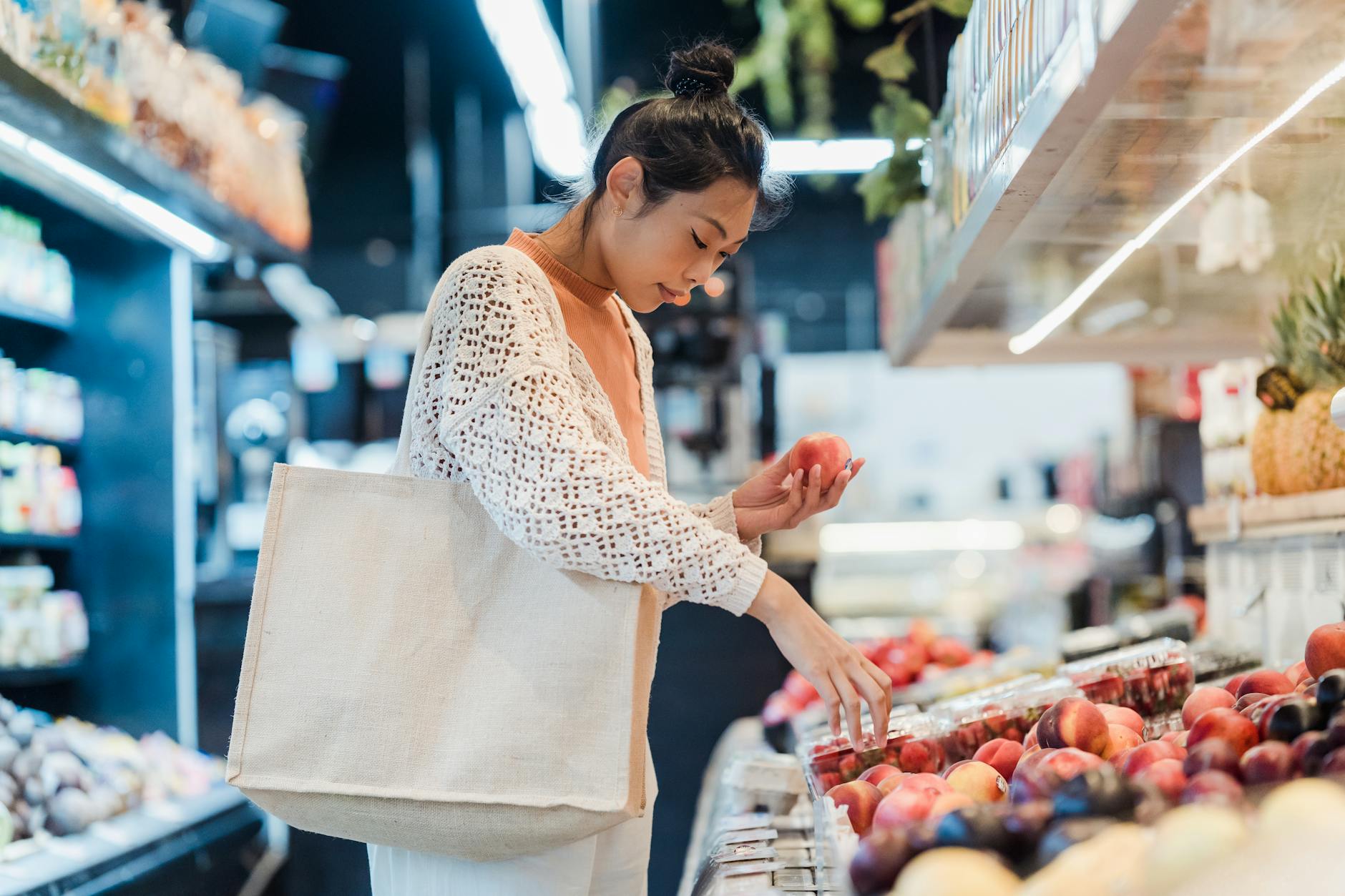
Reusable supermarket bags have quietly become one of the most powerful pieces of branded merchandise available to Australian organisations. They’re practical, visible, eco-friendly, and carried into public spaces week after week — putting your logo in front of new eyes every single time someone heads to the shops. Whether you’re a Sydney-based corporate business looking for conference giveaways, a Brisbane school fundraising for the P&C, or a Melbourne charity building community awareness, custom branded reusable bags offer exceptional value for money. In 2026, with single-use plastic bag bans now firmly established across every Australian state and territory, the demand for quality reusable shopping bags has never been higher — and that makes them a particularly smart canvas for your brand.
Why Reusable Supermarket Bags Are Such Effective Promotional Products
There’s a reason seasoned marketing teams keep coming back to reusable bags year after year. Unlike a branded pen that sits in a drawer or a flyer that gets binned, a well-made reusable bag gets used repeatedly in highly visible public settings. Supermarkets, farmers markets, school pick-ups, the local hardware store — your brand travels everywhere the bag does.
Consider the numbers. Research consistently shows that promotional bags generate among the highest number of impressions per item of any product category. A single branded reusable bag used twice a week at the supermarket will deliver thousands of logo impressions over its usable lifetime. That’s an extraordinarily low cost-per-impression when compared to digital advertising or even a print run.
Beyond visibility, reusable supermarket bags align beautifully with community values. Australians across Perth, Adelaide, Hobart, and Darwin are increasingly choosing brands that demonstrate a genuine commitment to sustainability. Handing someone a quality reusable bag instead of a throwaway item communicates that your organisation shares those values. It’s a tangible expression of your reusable corporate gifts strategy and positions you favourably in the minds of customers, clients, and community members alike.
The Plastic Bag Ban Factor
Every mainland state and territory has now banned lightweight single-use plastic bags. This regulatory shift has permanently changed how Australians shop — and it’s created a real, everyday need for reusable bags that didn’t exist at the same scale a decade ago. When your organisation provides someone with a quality branded reusable supermarket bag, you’re genuinely solving a problem they face multiple times each week. That kind of utility is the foundation of effective promotional merchandise.
Choosing the Right Type of Reusable Bag for Your Brand
Not all reusable bags are created equal, and selecting the right style and material for your audience matters considerably. Here’s a breakdown of the most popular options.
Non-Woven Polypropylene Bags
These are the most common style you’ll see at Australian supermarket checkouts — lightweight, folded flat, and available in enormous quantities at very competitive price points. They’re ideal for high-volume campaigns where budget is the primary consideration. A Gold Coast charity distributing bags at a community event, for instance, might opt for non-woven bags in a bulk order of 1,000 units to keep costs manageable.
That said, non-woven bags are less durable than alternatives, and they have a reputation for looking cheap if not executed well. If you go this route, invest in a strong design and choose a reputable decoration method to maximise perceived quality.
Cotton and Canvas Bags
Cotton calico and canvas bags sit at the premium end of the reusable bag market. They’re sturdy, washable, and have a tactile quality that feels substantial in the hand. Organisations targeting a professional or lifestyle-conscious demographic — think a Canberra government department, a Melbourne wellness brand, or a Sydney café chain — often find that cotton bags better reflect their brand positioning.
Cotton bags are also worth considering if wash durability is important. Our wash resistance guide for printed and embroidered apparel covers the key factors that affect how well decoration holds up over repeated laundering — the same principles apply to cotton bags.
Jute and Recycled Material Bags
Jute bags have an earthy, natural aesthetic that resonates strongly with eco-conscious consumers. Recycled PET bags — made from post-consumer plastic bottles — are another excellent option for organisations with explicit sustainability commitments. If your messaging centres on environmental responsibility, the bag material itself becomes part of the story you’re telling.
Insulated and Cooler Bags
For food businesses, health-focused organisations, or summer event giveaways, branded insulated bags are a compelling option. They serve a specific practical need and tend to be kept and used for longer than standard bags. These pair well with summer promotional products campaigns in Sydney or any event running during the warmer months across Queensland and Western Australia.
Decoration Methods: Getting Your Branding Right
How you apply your logo and design to a reusable supermarket bag is just as important as which bag you choose. The main decoration options are screen printing, heat transfer, and sublimation — each with different strengths.
Screen printing is the industry standard for non-woven and cotton bags. It produces vibrant, long-lasting results at scale and is cost-effective for orders of 100 units or more. It works best for solid colours and bold designs rather than photographic imagery.
Sublimation allows for full-colour, edge-to-edge prints and is particularly effective on polyester-based bags. If you’re in Queensland and looking for vivid, full-bleed branding, explore your options with sublimation services for promotional products in Brisbane.
Heat transfer is worth considering for smaller runs or more complex artwork. It’s a versatile method that works across multiple bag materials. Western Australian organisations can explore heat transfer services for promotional products in Perth for locally managed production.
Embroidery is less common on bags but can look outstanding on cotton canvas and premium tote styles. It adds texture and a premium feel, though it does increase cost per unit.
Practical Ordering Guide: MOQs, Timelines, and Budgets
Minimum Order Quantities
Most Australian suppliers offer reusable supermarket bags at MOQs of 50 to 100 units for standard styles. If you’re testing a new product, some suppliers offer promotional products with no minimum order — useful for small organisations or pilot campaigns. For organisations in the Northern Territory with access to fewer local suppliers, it’s worth exploring promotional product suppliers in the NT who can assist with sourcing and delivery to remote locations.
Budget Considerations
Non-woven bags typically land between $1.50 and $4.00 per unit at volume. Cotton calico bags sit in the $4.00 to $9.00 range, while premium jute or recycled bags can reach $10 to $15+ per unit. Setup fees for screen printing typically range from $40 to $80 per colour. Understanding your per-unit budget relative to your overall promotional product spending benchmarks will help you make the right call for your organisation.
Turnaround Times
Standard orders typically take 10 to 15 business days from proof approval. If you’re sourcing bags for a specific event — say, a school fete or a corporate AGM — factor in additional time for artwork revisions and shipping to regional areas. Speaking of AGMs, bags are an excellent addition to promotional giveaways for annual general meetings.
Creative Uses Across Different Sectors
Schools and Education
Schools across Australia have been early adopters of branded reusable bags, using them for school merchandise ranges, canteen bags, excursion kits, and fundraising drives. A Hobart primary school might bundle a branded bag with other school-branded items for their back-to-school pack. Pairing a bag with complementary items like a personalised drink bottle or a personalised water bottle creates a cohesive, high-value merchandise set.
Corporate Events and Conferences
Branded reusable bags make practical conference satchels or welcome gift bags. Fill them with other branded items — a notebook, a pen, a promotional keyring — and you’ve created a complete delegate welcome pack that attendees will use long after the event concludes. Think about how this fits into your broader approach to matching promotional products to your marketing objectives.
Charities and Not-for-Profits
For charities, reusable bags offer excellent visibility at low cost. They can be used as fundraising merchandise, distributed at awareness campaigns, or gifted to donors and volunteers. The functional nature of the product means it’s rarely discarded — extending your message into the community organically.
Retail and Hospitality
Cafés, grocers, health food stores, and boutique retailers across Australia have embraced branded reusable bags as both a sustainability statement and a branding tool. Customers who use your branded bag at rival supermarkets are inadvertently advertising your business to other shoppers — a remarkably efficient form of word-of-mouth marketing.
Pairing Reusable Bags with Complementary Products
A standalone bag is effective, but a well-curated product bundle is even better. Consider what items naturally complement a reusable supermarket bag based on your audience. For eco-focused campaigns, a branded cotton tea towel alongside the bag creates a sustainable kitchen set. For back-to-school or workplace wellness campaigns, pairing the bag with a personalised water bottle reinforces a health-conscious brand message.
You might also explore other household or lifestyle promotional items — fridge magnets are a cost-effective complement that keeps your brand front-of-mind in the home environment.
Conclusion: Key Takeaways for Ordering Branded Reusable Supermarket Bags
Reusable supermarket bags are one of the most practical, visible, and cost-effective branded merchandise options available to Australian organisations in 2026. Here’s what to keep in mind as you plan your order:
- Match the bag material to your brand positioning — non-woven for budget campaigns, cotton or jute for premium or eco-focused audiences, insulated bags for food and wellness contexts.
- Choose your decoration method wisely — screen printing suits most budgets and materials, while sublimation delivers outstanding results for polyester bags with complex artwork.
- Plan your timeline carefully — allow at least 15 business days from artwork approval to delivery, and more for remote or regional delivery locations.
- Bundle your bags with complementary products — combining a reusable bag with a drink bottle, keyring, or other item creates a higher-perceived-value gift pack without dramatically increasing costs.
- Think about usage frequency — a bag used twice a week at the supermarket delivers enormous logo impressions over its lifetime, making it one of the best value-for-money promotional items in any category.
When executed well, branded reusable supermarket bags do more than carry groceries — they carry your brand story into communities right across Australia, week after week.