
Custom Hi-Vis Workwear for Hospitality Staff in Australia: A Complete Guide
Discover how Australian hospitality businesses can order custom hi-vis workwear for staff — decoration tips, MOQs, budgeting advice and more.

Written by
Angus Mahmoud
Safety & Workwear
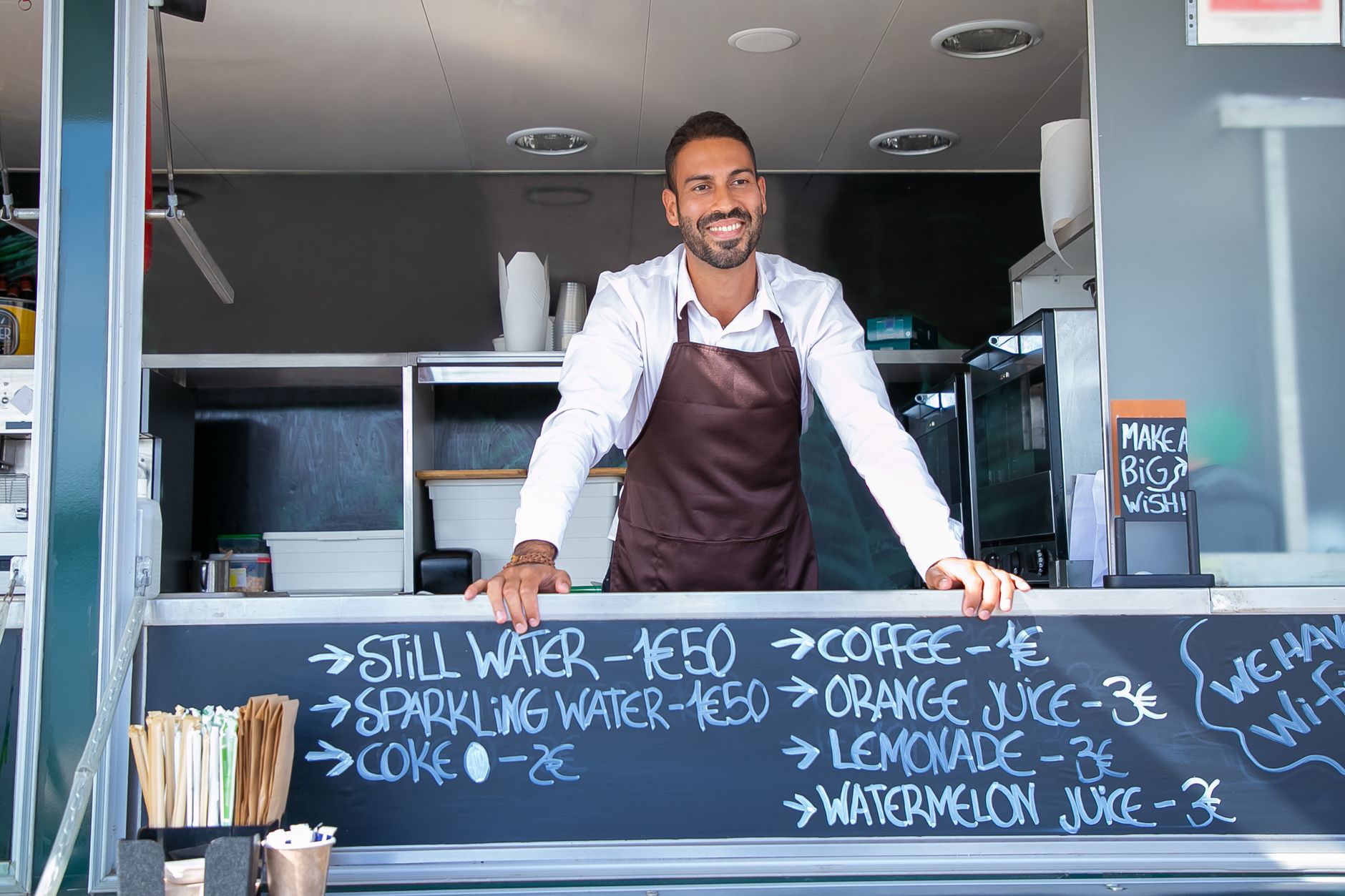
When most people think of hi-vis workwear, they picture construction sites, mining operations, or road crews. But custom hi-vis workwear for hospitality staff in Australia is a growing trend that makes a lot of practical sense — and it’s one that savvy venue operators, event managers, and catering businesses are embracing right across the country. Whether you’re running a large outdoor festival in Brisbane, managing a bustling function centre in Melbourne, or coordinating staff at a Sydney harbourside event, high-visibility garments can serve a dual purpose: keeping your team safe and making them instantly recognisable to guests and supervisors alike. This guide walks you through everything you need to know before placing your first order.
Why Hi-Vis Workwear Makes Sense in Hospitality Settings
The hospitality sector is far more varied than its reputation suggests. Beyond restaurants and hotels, it encompasses outdoor catering, music festivals, sporting events, markets, pop-up dining experiences, and large-scale corporate functions — many of which take place in environments where visibility and crowd management are genuine concerns.
Safety Compliance in Outdoor and Event Environments
In Australia, workplace health and safety legislation requires employers to assess risks and take reasonable steps to protect workers. When hospitality staff are working in low-light conditions, near vehicle access areas, on temporary event sites, or navigating crowded outdoor venues, hi-vis garments may be a practical or even legally required solution. Safe Work Australia guidelines are relevant here, and state-specific WHS regulations in Queensland, New South Wales, Victoria, and Western Australia each have their own nuances around PPE obligations.
Event venues in particular — especially those with loading docks, forklift activity, or shared pedestrian and vehicle zones — increasingly require all staff, including hospitality workers, to wear compliant hi-vis vests or shirts during bump-in and bump-out periods.
Brand Identity on the Floor
Beyond safety, there’s a compelling branding argument. Custom hi-vis workwear lets you stamp your logo, brand colours, and messaging onto garments that are literally designed to stand out. For a Gold Coast resort coordinating hundreds of staff across multiple event spaces, or a Darwin outdoor food and beverage operation, a well-branded hi-vis shirt or vest turns every team member into a walking brand ambassador while also making them easy for guests to identify. If you’re already familiar with how custom printed vests in Sydney work across different industries, you’ll understand just how impactful the right garment can be.
Choosing the Right Hi-Vis Garments for Your Hospitality Team
Not all hi-vis workwear is created equal, and the hospitality context introduces some specific requirements that differ from traditional trade or construction use.
Hi-Vis Vests vs. Hi-Vis Shirts and Polos
For event bump-in and bump-out periods, hi-vis vests worn over regular uniforms are often the most practical choice. They’re lightweight, easy to store, quick to distribute, and can be pulled on over any existing uniform. They also tend to be the most cost-effective option, with basic vests available in bulk from around $8–$15 per unit before decoration.
Hi-vis polo shirts and button-ups, on the other hand, work better as a standalone uniform piece — ideal for outdoor catering, market stalls, stadium operations, and permanent event venues. These garments offer greater comfort during extended wear and typically provide better coverage for embroidery or print decoration. For teams that spend entire shifts outdoors, a breathable hi-vis polo in yellow or orange is a far more professional and comfortable solution than a vest layered over street clothes.
For hospitality teams where branding sophistication matters — such as upscale weddings, corporate gala dinners, or hotel functions — consider a hi-vis polo with a discreet embroidered logo on the chest, similar to how embroidery on custom hoodies in Australia delivers a polished, professional result that screen printing sometimes can’t match.
Compliant vs. Non-Compliant Hi-Vis
It’s worth understanding the difference between AS/NZS 4602.1:2011-compliant hi-vis garments (required for road and high-risk environments) and non-compliant hi-vis that simply uses bright yellow or orange fabric. For many hospitality applications — particularly indoor events or low-risk outdoor settings — non-compliant bright garments may be perfectly suitable and offer more flexibility in decoration. However, if your staff will be working near traffic, on construction-adjacent sites, or in any environment that triggers formal WHS obligations, you’ll want to confirm compliance before ordering.
Always check with your supplier whether the garments meet Australian standards and ask to see certification if required for your specific workplace.
Decoration Methods for Custom Hi-Vis Workwear
The choice of decoration method will affect cost, durability, appearance, and minimum order quantities. Let’s break down the most common options.
Screen Printing
Screen printing delivers bold, vibrant results and is ideal for large print areas such as back logos, text panels, or event branding. It works particularly well on hi-vis fabric because the high-contrast colours make logos pop. Screen printing is best suited to orders of 20+ units due to setup costs, though the per-unit price drops significantly at higher quantities. It’s a popular choice for event merchandise for festivals in Brisbane where large staff teams need quick, cost-effective decoration.
Embroidery
Embroidery is the premium option — durable, professional, and highly suitable for chest logos, polo collars, or sleeve details. It holds up exceptionally well through repeated washing, which is a real advantage for workwear used week after week. For guidance on how different decoration methods hold up over time, our wash resistance guide for printed and embroidered apparel is an essential read before making your decision.
Heat Transfer and Digital Printing
Heat transfer and digital printing (DTG) offer excellent flexibility for smaller orders or designs with multiple colours and fine details. They can work well on hi-vis fabric but require quality execution to ensure longevity. These methods are worth exploring if you’re ordering below the screen printing MOQ threshold or need photographic-quality artwork reproduced on your garments.
Ordering Tips: MOQs, Lead Times, and Budgeting
Minimum Order Quantities and Pricing
Most reputable Australian suppliers offer hi-vis workwear decoration starting from around 10–20 units, though better pricing kicks in at 50+ units. For large events or multi-venue hospitality operations, orders of 100–500 units are common, and at this volume the per-unit cost becomes very competitive. If you’re just starting out and need a smaller run, look into whether your supplier offers promotional products with no minimum order — though keep in mind that decorated workwear tends to have stricter minimums than simpler promotional items.
It’s also worth factoring in setup fees, which cover screen preparation for screen printing or digitisation of your artwork for embroidery. These are one-off costs, usually $50–$150 per colour or design, but they’re absorbed across larger orders.
Turnaround Times
Standard turnaround for custom hi-vis workwear in Australia is typically 10–15 business days from artwork approval. Rush options are available through some suppliers for an additional fee, often bringing the timeline down to 5–7 business days. If you’re ordering for a specific event, build in at least two to three weeks of buffer to allow for artwork proofing, any revisions, and delivery logistics. Understanding how your promotional spend compares to industry benchmarks can also help you allocate the right budget from the outset.
Sizing and Gender-Inclusive Ordering
Hospitality teams are diverse, and your hi-vis order should reflect that. Most quality workwear suppliers offer a full size range from XS through to 5XL, along with fitted women’s cuts. Take accurate measurements from your team before placing your order to minimise post-delivery issues. Include a small percentage buffer in each size — ordering even one or two extra in popular sizes is far cheaper than paying for a reorder of a handful of units.
Managing Your Custom Workwear Project
A few practical considerations will help your project run smoothly from brief to delivery.
Keep your artwork files ready in vector format (AI or EPS) before approaching a supplier — this speeds up the quoting and proofing process considerably. If you’re working with a designer or have recently updated your branding, ensure the logo provided matches your current style guide and includes the correct PMS colour references.
Consider ordering a sample garment before committing to your full run. Most suppliers can provide undecorated samples or, for a fee, a pre-production decorated sample that lets you approve colour accuracy and print position before the bulk order is confirmed.
And don’t overlook the end-of-campaign lifecycle of your garments. High-quality hi-vis workwear that’s properly cared for can serve your team for years. Pairing it with complementary branded items — such as custom tee shirts for casual days or custom stubby holders for post-event staff appreciation — creates a cohesive brand experience for your whole team.
Hi-Vis Beyond Hospitality: Crossover Applications
If your organisation spans multiple sectors, it’s worth knowing that custom hi-vis workwear has applications well beyond the hospitality floor. Councils in Adelaide and Canberra use branded hi-vis for community events. Schools in Perth and Hobart kit out their grounds teams and sports carnival volunteers in hi-vis for supervision duties. Even driving schools have found value in high-visibility branding — much like the approach explored in our piece on promotional windscreen sunshades for driving schools in Australia. Suppliers in regional areas and the Northern Territory can also be a great resource; our overview of promotional products suppliers in the NT highlights how localised sourcing can reduce lead times for remote operations.
Conclusion: Key Takeaways
Custom hi-vis workwear for hospitality staff in Australia is a smart, practical investment that combines safety compliance with powerful brand visibility. Before placing your next order, keep these key points in mind:
- Match the garment to the environment — hi-vis vests suit temporary event roles while hi-vis polo shirts are better for permanent outdoor positions
- Confirm compliance requirements — understand whether AS/NZS 4602.1 certification is needed for your specific setting
- Choose your decoration method wisely — screen printing suits large runs and bold designs, while embroidery offers premium durability for ongoing workwear use
- Plan lead times carefully — allow at least three weeks from brief to delivery, especially for event-specific orders
- Think beyond the single order — a well-managed workwear programme pairs hi-vis garments with a broader branded merchandise strategy to build team identity and consistency
With the right product selection, decoration approach, and ordering process, custom hi-vis workwear can elevate your hospitality team’s professionalism while keeping everyone safe on the job.