
JB's Workwear: The Complete Guide to Ordering Custom Branded Work Uniforms
Discover how to order custom branded JB's workwear for your business, school, or organisation. Tips on decoration, MOQs, and getting the best results.

Written by
Angus Mahmoud
Safety & Workwear
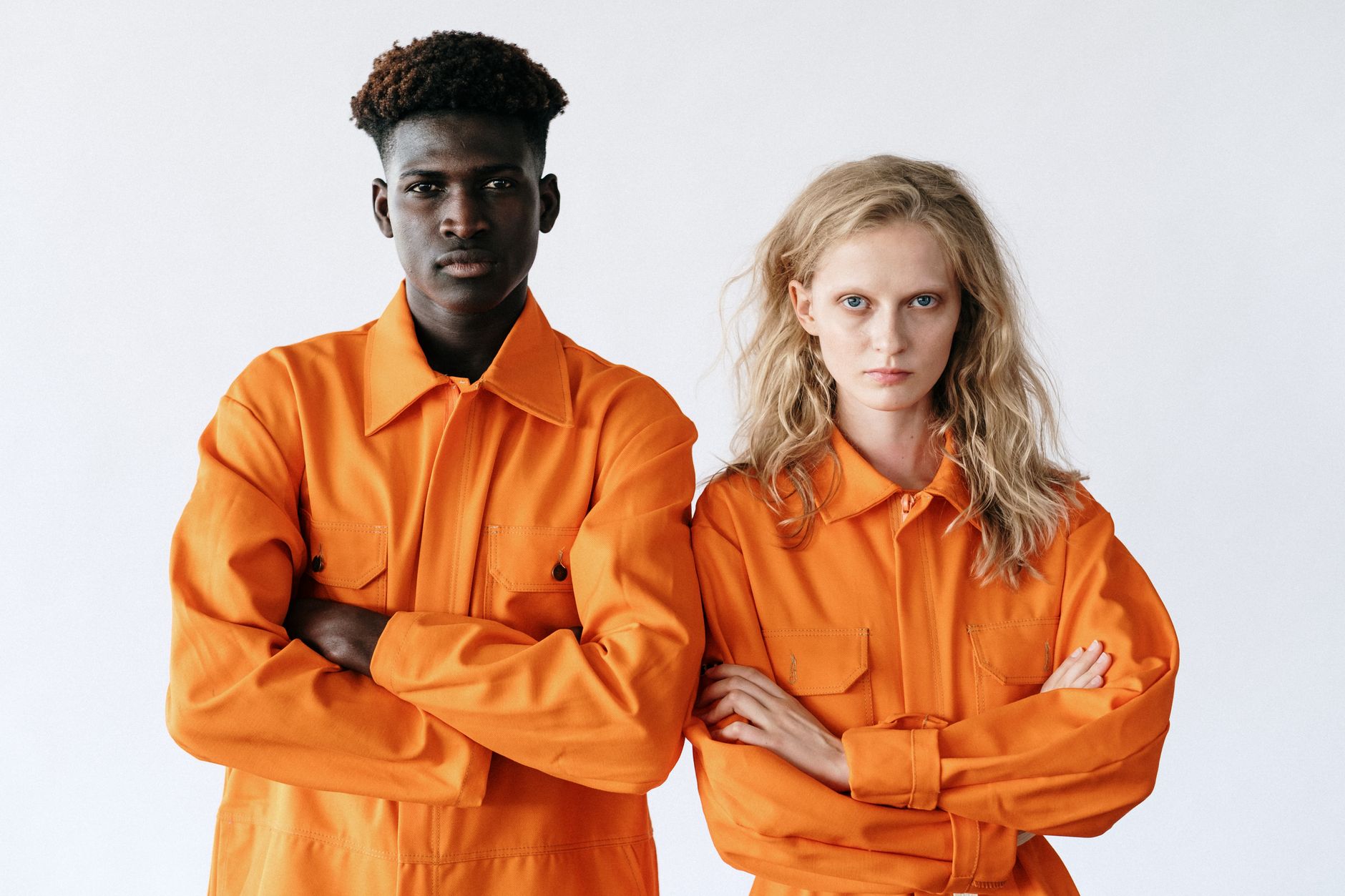
When it comes to kitting out your team in quality workwear that can handle the demands of the Australian workplace, JB’s Workwear has become one of the most trusted names on the market. Whether you’re running a construction company in Brisbane, managing a warehouse operation in Perth, or outfitting school staff in Adelaide, JB’s workwear offers a broad range of garments designed to perform in tough conditions — and branded effectively, they become a powerful tool for building team identity and professional presence. But ordering custom branded workwear is about more than just picking a style and adding a logo. There are key decisions to make around decoration methods, colour selection, minimum order quantities, and turnaround times that can significantly affect your outcome. This guide walks you through everything you need to know.
What Makes JB’s Workwear a Popular Choice for Australian Organisations?
JB’s Workwear has earned its reputation by producing garments that balance durability, comfort, and affordability — three qualities that any organisation ordering workwear in bulk needs to prioritise. The range covers an impressive spread of product categories, including hi-vis safety shirts and vests, polo shirts, t-shirts, hoodies, fleece jackets, cargo pants, and shorts. This breadth makes it a practical choice for organisations that want a consistent supplier across multiple garment types.
The fabrics used across the JB’s range are typically robust enough for trade and industrial environments, while the polo and t-shirt options are clean and professional enough to suit hospitality, retail, and customer-facing roles. For schools and education departments ordering staff uniforms, the polos in particular are a popular choice given their smart appearance and wash durability.
From a branding perspective, JB’s garments are well-suited to a variety of decoration methods. The fabric weights and construction are generally compatible with embroidery, screen printing, and heat transfer — three of the most common approaches used in Australian workwear decoration. If you’re comparing options across garment brands, our guide to choosing the right workwear for your team provides a useful breakdown of what to look for.
Understanding Decoration Methods for JB’s Workwear
Choosing the right decoration method is one of the most important decisions in any branded workwear project. The wrong method can result in premature cracking, poor colour accuracy, or a finish that simply doesn’t hold up to regular industrial washing. Here’s how the main options apply to JB’s garments specifically.
Embroidery
Embroidery is widely regarded as the premium option for workwear decoration, particularly for polos, jackets, and hi-vis garments. The stitched finish conveys quality and professionalism, and it holds up exceptionally well to repeated commercial washing — a crucial consideration for team members washing uniforms multiple times a week.
For JB’s polo shirts and fleece jackets, embroidery on the left chest is the standard placement. Larger back prints are also popular for trades businesses wanting visibility from a distance. Embroidery typically requires a digitised file of your artwork, and setup fees generally range from $30 to $80 depending on stitch count. Once that setup is done, reorders become straightforward and cost-effective. Our overview of embroidery for custom uniforms covers everything from stitch count to placement in more detail.
Screen Printing
Screen printing is the go-to method for t-shirts and hi-vis garments where you need a bold, high-impact print at a lower cost per unit. It works best for simple designs with defined colour separations and is particularly effective on the cotton-rich fabrics found across the JB’s t-shirt range.
For large team orders — say, a Gold Coast landscaping company ordering 100 or more shirts — screen printing becomes very cost-effective. Setup costs typically apply per colour per screen, so designs with fewer colours are more economical. If you want vibrant full-colour artwork, it’s worth reading our comparison of screen printing versus digital printing to understand which method suits your artwork style.
Heat Transfer and Sublimation
Heat transfer vinyl (HTV) and sublimation are useful for smaller runs or for garments where embroidery or screen printing aren’t practical. Sublimation, in particular, works beautifully on polyester-heavy fabrics, producing seamless, edge-to-edge colour that won’t crack or peel. Some of the JB’s hi-vis and performance range fabrics are polyester-dominant, making sublimation a strong option for those specific garments.
For organisations wanting individual names or numbers on garments — such as a Canberra logistics company naming each employee’s hi-vis vest — heat transfer is often the most cost-efficient method for personalisation. Check out our guide to heat transfer decoration for workwear for a deeper look at when this method makes the most sense.
Planning Your JB’s Workwear Order: Key Considerations
Before placing a bulk workwear order, there are several practical factors that experienced buyers always account for. Getting these right upfront saves time, money, and frustration down the track.
Minimum Order Quantities
Most branded workwear suppliers operate with minimum order quantities (MOQs) that vary by decoration method. For embroidery, MOQs are often as low as 6–12 pieces, making it accessible for smaller teams. Screen printing typically requires a minimum of 20–50 pieces to make setup costs viable. If you’re ordering for a small team, you may need to factor in the possibility of paying higher per-unit costs at lower volumes, or consolidating your order across multiple garment styles to hit the threshold. Our explanation of MOQs in the promotional products industry is a helpful starting point if this is your first bulk order.
Artwork Preparation
Getting your artwork right before you submit an order is one of the most overlooked steps in the workwear buying process — and one of the most consequential. For embroidery, your logo needs to be digitised into a stitch file (typically a DST or EMB format). For screen printing, vector files in AI or EPS format are ideal to ensure clean, scalable reproduction. Poor artwork quality is one of the leading causes of delays in workwear orders, so it’s worth investing a small amount of time (or budget) to get your files production-ready. Our artwork preparation guide for branded merchandise covers file types, resolution requirements, and common mistakes to avoid.
Colour Selection and PMS Matching
If your brand uses specific Pantone (PMS) colours, you’ll want to confirm with your supplier whether PMS matching is available for your chosen decoration method. Embroidery thread and screen printing ink can both be matched to PMS standards, though slight variations can occur depending on fabric colour and texture. For a Sydney-based business with a strong brand identity, ensuring colour accuracy is worth the extra conversation with your decorator. Our guide to PMS colour matching for promotional products explains the process clearly.
Turnaround Times
Standard turnaround for branded JB’s workwear typically ranges from 10 to 15 business days once artwork is approved. If you’re ordering for a specific event — an industry conference in Melbourne, a new project site starting in Darwin, or a school term beginning in Hobart — build buffer time into your planning. Rush orders may be available at a premium, but it’s always better to plan ahead than rely on expedited production. For time-sensitive projects, our tips for ordering promotional products on a deadline are worth bookmarking.
JB’s Workwear for Specific Industries and Sectors
One of the strengths of the JB’s range is its versatility across different sectors. Understanding how different industries use the range can help you identify the right products for your needs.
Construction and Trades
The hi-vis range — including day-only, day/night, and Class D/N rated vests and shirts — is a staple for construction companies across New South Wales, Queensland, and Western Australia. Compliance with Australian safety standards is non-negotiable on worksites, and JB’s hi-vis garments are built to meet these requirements. Embroidered company logos and reflective tape placement are important considerations for this sector.
Schools and Education
Many Australian schools use JB’s polo shirts and jackets for staff uniforms, particularly for outdoor education programs, sports carnivals, and excursion days. A Melbourne primary school might outfit its entire teaching staff in embroidered polos for a cohesive, professional look. The key for schools is usually choosing a polo colour that aligns with their school colours without requiring a full custom garment run. Our guide to custom uniforms for schools covers the specific requirements that education clients should keep in mind.
Hospitality and Events
For hospitality businesses — cafés, catering companies, event staff agencies — JB’s polo shirts and t-shirts offer an affordable, reliable base for staff uniforms. Screen printed logos in brand colours make identification easy and create a consistent visual impression for customers.
Warehousing, Logistics, and Manufacturing
Cargo work pants, long-sleeve work shirts, and fleece layers from the JB’s range are heavily used across logistics and manufacturing environments. Durability and ease of movement are priorities here, along with clear staff identification through branded decoration.
Budgeting for Branded JB’s Workwear
Understanding how costs stack up across a workwear order helps you set a realistic budget from the outset. Garment cost, decoration setup fees, and per-unit decoration costs are the three main variables. At scale, the per-unit decoration cost drops significantly — a run of 200 screen-printed t-shirts for a Brisbane retail chain will cost considerably less per piece than a run of 20. Factor in freight, particularly for interstate deliveries from suppliers based in other states, and allow a contingency of 10–15% for any unforeseen artwork or revision costs. Our budgeting guide for bulk workwear orders provides a practical framework for working through these numbers.
Conclusion: Key Takeaways for Ordering Branded JB’s Workwear
Getting the most out of a branded JB’s workwear order comes down to preparation, understanding your options, and working with a decorator who knows the product range well. Here are the essential points to keep in mind:
- Choose your decoration method based on garment type and use case — embroidery for professional, long-lasting results on polos and jackets; screen printing for bold, cost-effective large runs on t-shirts and hi-vis garments.
- Prepare print-ready artwork before placing your order to avoid delays — vector files for screen printing, digitised stitch files for embroidery.
- Understand your MOQs and plan your order volumes accordingly to maximise cost-effectiveness across the full range.
- Build in adequate lead time — at least 15 business days from artwork approval — particularly for time-sensitive projects like new site starts or school term beginnings.
- Match your product selection to your industry requirements, whether that’s compliance-rated hi-vis for construction, durable polos for school staff, or smart garments for hospitality and events.
JB’s workwear, when decorated and ordered correctly, delivers exceptional value for Australian organisations of all sizes. With the right approach, your team will look cohesive, professional, and ready for whatever the Australian workday throws at them.